Our Research
The role of DPP-4 in myeloid and T cell regulation
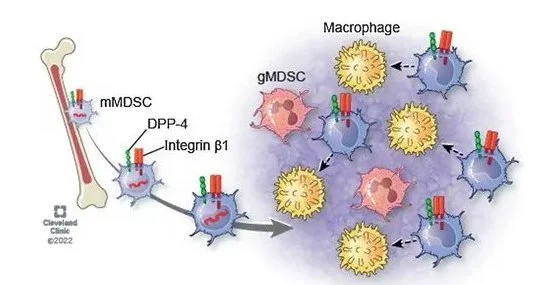
We demonstrated that dipeptidyl peptidase 4 (DPP-4) is a regulator of immunosuppressive myeloid cell activity in glioblastoma. We now seek to identify the mechanism by which DPP-4 regulates the pathological function of myeloid cells and T cells in cancer to identify potential therapeutic targets.
Sex differences in anti-tumor immune response
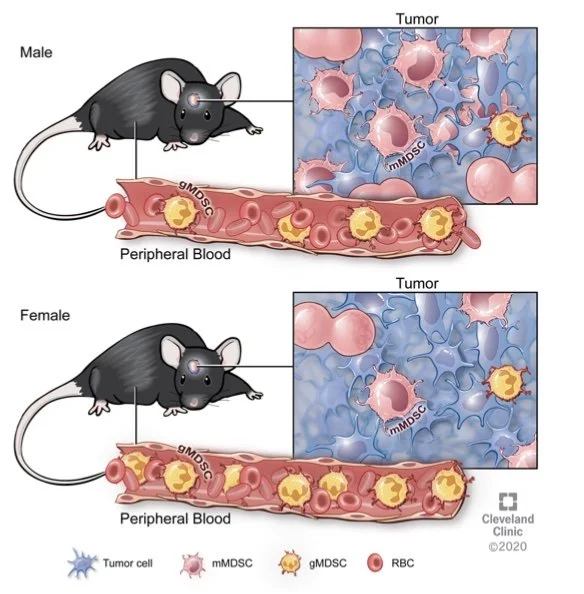
Males are more likely to get diagnosed with brain tumors and male patients have worse disease outcomes. We showed that sex differences in myeloid-derived suppressor cell subsets contribute to glioblastoma outcome and comprise a therapeutic opportunity. We seek to uncover sex-specific immune mechanisms driving brain tumors in females versus males to develop personalized immunotherapies.

Astrocyte-GBM interactions
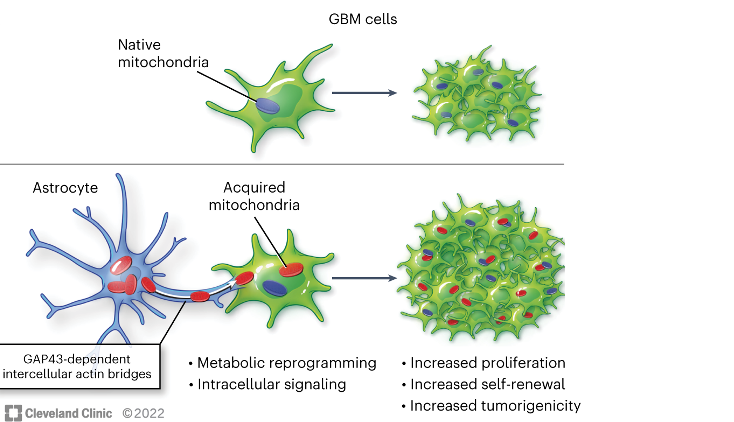
We previously identified mitochondria transfer between astrocytes and cancer cells as a driver GBM. In collaboration with the Discover TME lab, we seek to understand the drivers and molecular consequences of mitochondria transfer in reprogramming the tumor microenvironment. We also investigate altered neurotransmitter signaling as a mechanism of GBM-astrocyte crosstalk.
Epigenetic basis of myeloid cell behavior in cancer
We observed that myeloid-derived suppressor cell subsets have distinct epigenetic profiles, which are further impacted by host sex. We seek to interrogate epigenetically-regulated pathways determining myeloid cell response in cancer, and host and tumor-derived factors regulating their behavior.